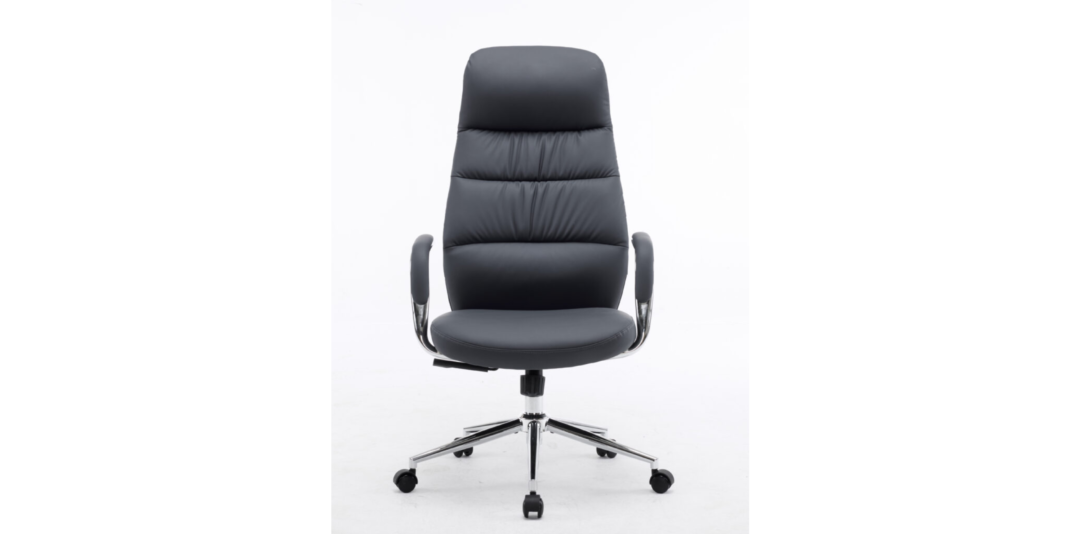

I never thought I’d spend a full evening reading comments about office chairs on Instagram reels, but here we are. Somewhere between back pain memes and work-from-home jokes, I started noticing people casually flexing their chair setups. And that’s usually where the whole boss office chair price debate pops up. In the first five minutes, someone says it’s overpriced, another guy says his spine was reborn after buying one, and then a third person just drops a photo with “worth every rupee bro.” That’s pretty much the internet summary.
When I first started writing about furniture prices, I assumed chairs were boring. Turns out chairs are emotional. People tie their productivity, health, and even status to them. Which honestly makes sense. If you’re sitting eight to ten hours a day, that chair becomes less like furniture and more like a co-worker that never shuts up about your posture.
What you’re actually paying for, not just the brand name
Here’s the part no one explains clearly. When people talk about chair prices, they focus too much on looks. Leather finish, chrome base, tall back, all that. But the real cost is hidden in boring stuff like foam density and tilt mechanisms. Kinda like buying shoes. Two pairs may look similar, but one kills your feet after an hour while the other feels broken-in from day one.
One lesser-known thing I learned while researching this is that imported chairs often use cold-cure foam instead of regular molded foam. Sounds fancy, but it basically means the cushion doesn’t flatten like a sad pancake after six months. I saw a stat on a niche LinkedIn post saying nearly 60 percent of office workers replace cheap chairs within two years because of sagging seats. That’s money down the drain, literally under your back.
People online love saying “just get any chair and add a cushion.” That’s like saying you can fix a bad mattress with extra blankets. Sure, it helps, but not really.
That awkward moment when your chair outs you as cheap
This might sound shallow, but chairs have become a silent flex in offices. Especially startups. I once walked into a small agency where everyone had identical imported chairs, and suddenly the place felt more legit. Same desks, same laptops, but the chairs made it feel… funded.
Social media chatter backs this up. On Twitter, there’s a running joke that if your boss upgrades chairs before salaries, the company is either doing really well or hiding something. But jokes aside, chairs affect morale more than we admit. Sitting on a squeaky, sinking chair while your manager has a throne-like setup is lowkey demotivating.
And yeah, I’ve been that person adjusting seat height every ten minutes because the hydraulic cylinder gave up on life. It’s distracting. You don’t realize how much energy goes into being uncomfortable until you’re finally not.
Imported chairs and the quiet difference no one shouts about
One thing I noticed while browsing niche forums is how rarely people talk about adjustment range. Not just height, but arm width, recline tension, lumbar depth. Imported chairs usually give more micro-adjustments. Sounds unnecessary until you share a chair with someone taller or shorter. Or until your back decides it hates you on Tuesdays only.
A friend of mine, software developer, bought a mid-range imported chair after months of chiropractor visits. He said it didn’t magically fix his back, which I appreciate as honesty, but it stopped making things worse. That’s a big deal. Prevention doesn’t trend online, so it rarely gets hype.
Also small detail, imported chairs often follow international ergonomic standards that local chairs sometimes ignore. It’s boring paperwork stuff, but your spine cares, even if you don’t.
Is the price justified or just office aesthetics tax
Let’s be real. Not everyone needs a premium chair. If you sit two hours a day, spending big makes no sense. But if your chair is basically your second home, the price starts to feel less crazy. It’s like buying a decent phone because you use it constantly, not because it looks cool.
I used to think spending on chairs was rich-people nonsense. Then I started writing longer hours. Suddenly that “expensive” chair didn’t feel so expensive when my lower back stopped complaining by evening. Funny how pain changes perspective.
Online sentiment seems split. Reddit threads are full of “buy once cry once” comments, while Instagram is more about aesthetics. Both are kinda right. Comfort and looks both matter, depending on who you are.
Final thoughts while still sitting awkwardly
I’m not pretending chairs will change your life overnight. They won’t. But they quietly affect how tired you feel, how often you stretch, and how grumpy you get by 6 pm. That’s not nothing. When people ask me if checking the boss office chair price makes sense, I usually say think long-term, not just paycheck to paycheck.
Chairs don’t scream value the way gadgets do. No unboxing thrill, no flashy specs. Just slow, boring comfort. And honestly, that’s probably why people who invest in them rarely regret it, even if they complain about the price at first.