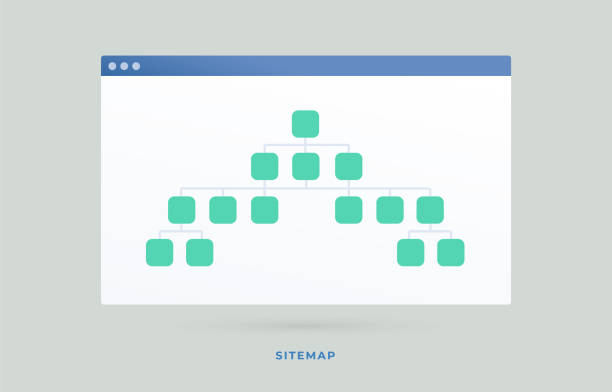

I’ll be honest, for the longest time I thought a sitemap was some super technical thing only hardcore developers or SEO nerds talked about on Twitter threads at 2 a.m. Then one random afternoon, while checking why one of my pages just refused to show up on Google, I ran into the idea of a sitemap generator and yeah… things kind of clicked after that. Not in a magical way, but more like “oh, that explains a lot” kind of way.
Think of your website like a messy apartment. You know where everything is because you live there. But if a guest comes in, they’re opening random doors, getting lost, and probably judging you silently. Google is that guest. A sitemap is basically you handing them a simple map and saying, hey, bathroom’s here, kitchen’s there, don’t open that broken door. Simple stuff.
How Search Engines Actually See Your Website (Not the Way You Think)
Most people imagine Google crawling websites like a human scrolling and reading. That’s not how it works at all. It’s more like a robot on caffeine, hopping links, skipping things, sometimes missing whole sections because one link was broken somewhere. I once had a blog post buried three clicks deep, and I kept wondering why it had zero impressions. Turned out Google barely noticed it existed.
This is where sitemap talk starts showing up in SEO forums and random Reddit threads. A sitemap basically lists all the important URLs you want search engines to notice. Not a guarantee they’ll rank, but at least they know the page is alive. Kind of like raising your hand in class. Teacher may still ignore you, but at least you tried.
Why People Ignore Sitemaps Until It’s Too Late
Funny thing is, many site owners don’t think about sitemaps until traffic drops. I’ve seen tweets like “my site lost 40% traffic overnight, help pls” and someone replies asking about sitemap status. Silence. Then panic. Then learning.
A lesser-known thing I read somewhere (can’t even remember where now) is that sites with frequent content updates benefit way more from sitemaps than static sites. Makes sense, right? If you keep adding new rooms to that apartment, the map needs updates too. Otherwise Google just keeps visiting the living room and leaves.
Also, WordPress users often assume plugins handle everything. Sometimes they do. Sometimes they don’t. I’ve personally seen auto-generated sitemaps missing entire tag archives or custom pages. Nobody checks until rankings tank.
My Mildly Embarrassing Experience With a Broken Sitemap
Quick story. I once worked on a small client site, nothing fancy. Traffic was okay, not great. I submitted the sitemap, felt proud, moved on. Weeks later, I randomly checked Search Console and saw error warnings everywhere. The sitemap URL was wrong. Like… straight-up 404. I had been confidently sending Google to a dead end for a month.
That’s when I learned that using a sitemap generator doesn’t mean you can forget about it forever. You still need to peek at it once in a while, like checking if your car still has oil. Boring but necessary.
Are Sitemaps Still Relevant in 2025? People Online Can’t Agree
If you hang around SEO Twitter or LinkedIn posts, you’ll see mixed opinions. Some folks say Google is “smart enough now” and sitemaps don’t matter much. Others swear they saw indexing boosts after fixing theirs. I’m somewhere in the middle.
From what I’ve noticed, sitemaps won’t magically rank your site. But they do reduce confusion. Especially for bigger sites, ecommerce stores, or blogs that grow messy over time. Google likes clarity. Humans do too, honestly.
There’s also the speed factor. New pages sometimes get discovered faster when they’re listed cleanly. I’ve seen pages indexed within hours instead of days. Not always, but often enough to notice.
What Most People Get Wrong About Sitemap Tools
A common misconception is thinking all sitemap tools are the same. Some just dump every URL they find, including junk pages, filters, or duplicate content. That’s like giving Google a map with a bunch of dead alleys and hoping for the best.
You actually want a selective list. Important pages. Pages you care about. Pages that deserve attention. I learned this after accidentally submitting search result pages once. Google didn’t love that.
Another weird detail people don’t talk about much is priority and last-modified tags. Google says they mostly ignore them, but still… they exist for a reason. Even if they help a little, why not use them properly?
Why I Still Recommend Using One (Even If You’re Lazy)
Look, SEO already has enough moving parts. Titles, content, links, speed, UX, vibes. A sitemap is one of those low-effort, low-risk things that can only help if done right. Using a sitemap generator just saves time and mental energy. No need to manually list URLs like it’s 2008.
Especially if your site changes a lot, new posts, deleted pages, rewrites. The sitemap keeps things cleaner behind the scenes. Google doesn’t get confused. You sleep better. Win-win.
Near the end of the day, this stuff isn’t glamorous. Nobody flexes their sitemap on Instagram. But quietly, in the background, it does its job. And sometimes, boring tools are the ones holding everything together. Just don’t forget to check if it actually works. Learned that one the hard way.