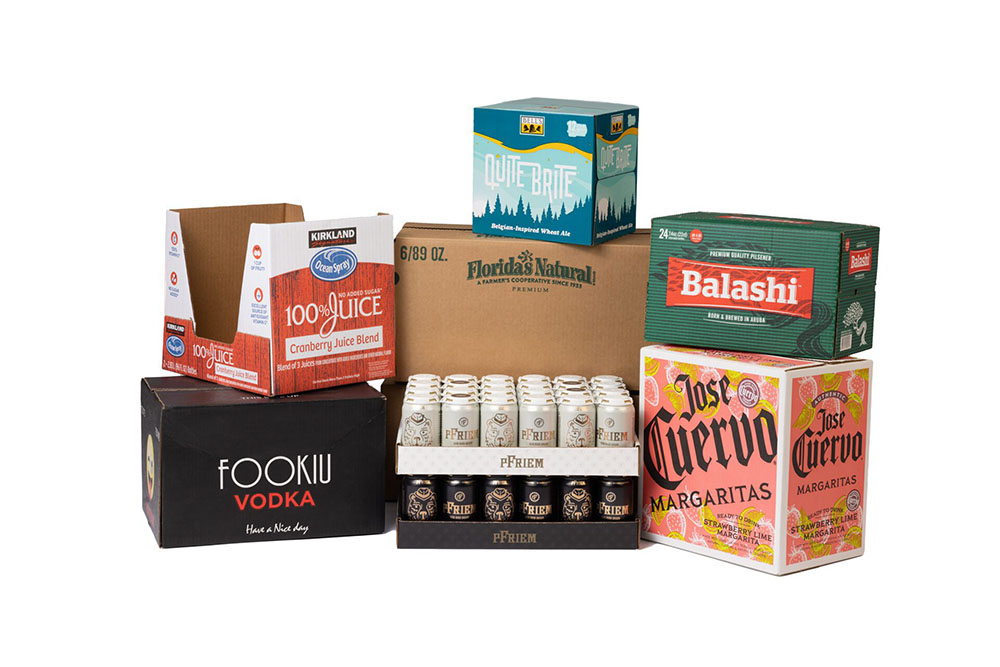

Sustainability has become a defining priority in the beverage industry. Consumers expect brands to minimize environmental impact while still delivering high-quality products. As a result, beverage packaging is undergoing a major transformation. Companies now focus on reducing material use, improving recyclability, and designing packaging systems that support both performance and environmental responsibility.
Sustainable beverage packaging is not just a trend. It is a long-term strategy that helps businesses meet regulatory requirements, reduce costs, and build stronger relationships with environmentally conscious consumers.
Rethinking Materials in Beverage Packaging
Material selection is one of the most important aspects of sustainable packaging. Beverage companies are moving toward materials that are easier to recycle and require fewer resources to produce.
Recyclable plastics such as PET remain widely used, especially when sourced from recycled content. Aluminum continues to gain popularity because it can be recycled repeatedly without losing quality. Glass also offers strong recyclability, though its weight can increase transportation impact.
Corrugated packaging supports sustainability efforts by using renewable materials and offering high recyclability. When designed efficiently, it reduces waste while maintaining strength. This is where industrial packaging plays a key role, helping companies create durable yet environmentally responsible transport solutions.
Lightweighting for Reduced Environmental Impact
Reducing material weight is one of the most effective ways to improve sustainability. Lightweight beverage packaging uses less raw material and lowers shipping costs by reducing overall weight.
Lighter bottles, thinner walls, and optimized packaging designs all contribute to lower carbon emissions during transportation. These improvements also reduce production costs, making lightweighting both an environmental and economic advantage.
Companies that adopt lightweight packaging strategies often see immediate benefits in logistics efficiency and long-term gains in sustainability performance.
Designing for Recyclability and Circular Systems
Creating packaging that fits into a circular economy is essential for long-term sustainability. This means designing products that can be easily collected, processed, and reused.
Simple material structures improve recyclability. For example, using a single type of plastic or minimizing mixed materials makes recycling more efficient. Clear labeling also helps consumers understand how to dispose of packaging correctly.
Beverage companies are also exploring refillable and reusable packaging models. These systems reduce single-use waste and create new opportunities for customer engagement.
A knowledgeable packaging supplier can help businesses design packaging systems that align with circular economy principles while maintaining product protection and performance.
Reducing Waste Across the Supply Chain
Sustainability extends beyond the product itself. It also includes how packaging is produced, stored, and transported.
Efficient packaging design minimizes excess materials and reduces empty space during shipping. This improves pallet utilization and lowers transportation emissions. Streamlined packaging processes also reduce waste during production.
Secondary packaging plays a significant role in waste reduction. Well-designed corrugated boxes and protective inserts prevent damage and reduce the need for replacements. This is where orange county packaging expertise can provide localized solutions that improve efficiency and reduce environmental impact.
Balancing Sustainability with Durability
While sustainability is important, packaging must still perform its primary function of protecting the product. Weak or poorly designed packaging can lead to damage, waste, and higher overall environmental impact.
Durable beverage packaging ensures that products reach consumers in perfect condition. This reduces returns and prevents product loss, which is especially important for liquid goods.
The goal is to find the right balance between material reduction and structural integrity. Advanced design techniques and testing help companies achieve this balance without compromising performance.
Innovation Driving Sustainable Packaging Solutions
Innovation continues to push sustainable beverage packaging forward. New materials, improved manufacturing processes, and smarter designs are helping companies reduce their environmental footprint.
Biodegradable materials and plant-based plastics are gaining attention as alternatives to traditional packaging. Improved recycling technologies also make it easier to process complex materials.
Smart packaging solutions are emerging as well, helping companies track usage and optimize supply chains. These innovations support both sustainability and operational efficiency.
Businesses that embrace innovation position themselves as leaders in a rapidly evolving market.
The Role of Consumer Education
Sustainable packaging only works if consumers understand how to use and dispose of it properly. Clear communication is essential to ensure that packaging materials are recycled or reused as intended.
Labels, instructions, and brand messaging all play a role in educating consumers. When customers understand the environmental benefits of packaging choices, they are more likely to support the brand.
This connection between packaging and consumer behavior strengthens brand loyalty and reinforces sustainability efforts.
Building a Future-Ready Packaging Strategy
Sustainability will continue to shape the future of beverage packaging. Companies that take a proactive approach can stay ahead of regulations and market expectations.
Developing a long-term packaging strategy involves evaluating materials, optimizing design, and partnering with experts who understand both performance and sustainability.
Working with an experienced packaging supplier allows businesses to access innovative solutions and implement best practices across their operations. This collaboration supports continuous improvement and long-term success.
Conclusion
Sustainable beverage packaging represents a shift toward smarter, more responsible business practices. It reduces environmental impact while improving efficiency and strengthening brand value.
By integrating industrial packaging solutions, optimizing materials, and leveraging local expertise in orange county packaging, businesses can create packaging systems that meet modern demands. With the right strategy and partnerships, beverage companies can deliver products that are both high-quality and environmentally responsible