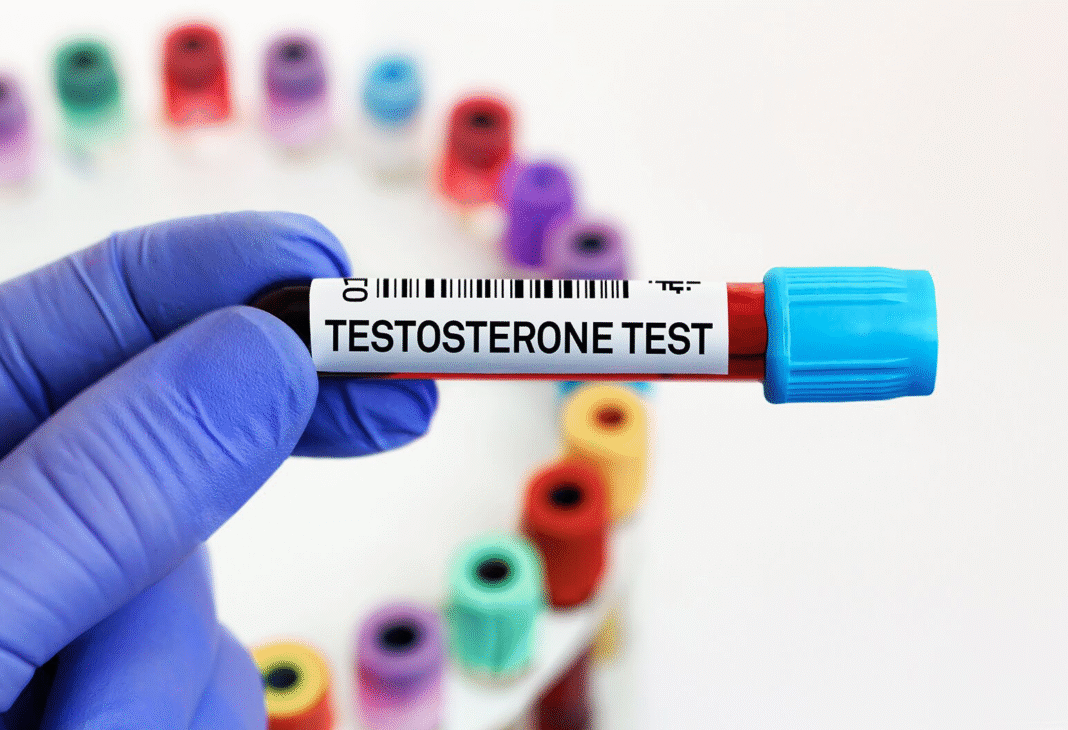

Hormones play a crucial role in maintaining overall health, energy levels, and mood. For men, testosterone is one of the most important hormones, affecting muscle mass, bone density, sexual health, and mental well-being. When testosterone levels drop, it can lead to a variety of health concerns, many of which may go unnoticed in the early stages. This is where a low testosterone test can be highly beneficial. By detecting hormone imbalances early, men can take proactive steps to maintain their health and prevent long-term complications.
Understanding Testosterone and Its Importance
Testosterone is the primary male sex hormone responsible for many physical and psychological functions. It helps regulate libido, energy levels, mood, and muscle strength. Testosterone also supports cardiovascular health and bone density. A decrease in testosterone levels, often called low testosterone or hypogonadism, can lead to fatigue, depression, weight gain, reduced muscle mass, and difficulty concentrating. Recognizing these symptoms early is essential for effective management.
The Role of a Low Testosterone Test
A low testosterone test is a simple blood test that measures the amount of testosterone in the body. This test helps healthcare providers determine whether hormone levels are within the normal range or if there is a deficiency. Regular testing can be particularly important for men over the age of 40, as testosterone levels naturally decline with age. Additionally, men experiencing symptoms like decreased energy, reduced sexual performance, or unexplained mood changes may benefit from testing to identify the underlying cause.
Early Detection and Prevention
One of the main advantages of a low testosterone test is early detection. Identifying hormone imbalances before they become severe allows men to take corrective measures sooner. Early intervention can prevent complications such as decreased bone density, increased risk of cardiovascular issues, and prolonged mental health concerns. Detecting low testosterone early also provides an opportunity to discuss lifestyle changes, diet, and potential therapies with a healthcare professional.
Treatment Options After Diagnosis
If a low testosterone test reveals a deficiency, several treatment options are available. Hormone replacement therapy is commonly prescribed to restore testosterone levels and improve symptoms. Lifestyle changes, including regular exercise, a balanced diet, adequate sleep, and stress management, can also have a positive impact on testosterone production. In some cases, addressing underlying health conditions such as obesity, diabetes, or thyroid issues can help improve hormone balance naturally. Consulting with a healthcare provider ensures the most suitable and safe approach for each individual.
Monitoring Progress Over Time
Testing testosterone levels is not a one-time event. Men undergoing treatment for low testosterone or those at risk should have regular follow-up tests to monitor progress. Tracking hormone levels over time allows healthcare providers to adjust treatments as needed and ensures that any improvements in symptoms are supported by measurable results. This approach helps maintain overall health and prevents potential side effects from improper hormone therapy.
Lifestyle and Preventive Measures
While medical treatments are effective, lifestyle habits play a critical role in maintaining healthy testosterone levels. Regular physical activity, particularly strength training, can naturally boost hormone production. Eating a nutrient-rich diet that includes healthy fats, vitamins, and minerals supports hormone health. Reducing stress through mindfulness or relaxation techniques and getting adequate sleep are equally important. By combining preventive measures with regular testing, men can significantly reduce the risk of long-term complications associated with low testosterone.
Conclusion
A low testosterone test is a valuable tool for men to detect hormone imbalances early and take proactive steps toward better health. By understanding the importance of testosterone, recognizing symptoms of deficiency, and seeking timely testing, men can prevent serious health issues and improve their overall well-being. Regular monitoring, lifestyle adjustments, and professional guidance ensure that testosterone levels remain within a healthy range, promoting a more energetic, balanced, and fulfilling life.