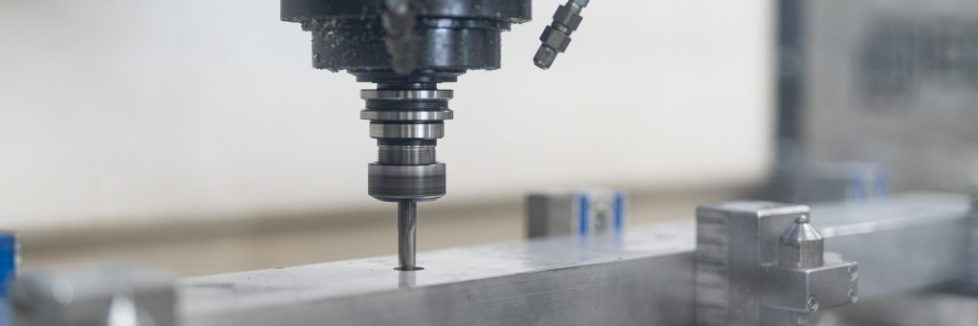

Repeatability matters because a precision part must match the next part, not just the drawing once. Reliable shops build that consistency through controlled setups, tool management, inspection, maintenance and records. Those habits allow precision machining companies to hold dimensions across short runs, repeat orders, and longer production cycles without depending on one operator’s memory.
The Same Zero Point Has to Return Every Time
Machine setup creates the reference for everything that follows. Calibration confirms axis position, spindle alignment, probe accuracy, and machine geometry before small errors spread into finished features. Routine checks also show whether backlash, worn holders, or loose components are starting to affect motion. Accurate offsets then give CNC machining near me providers a known starting point for each job. Reference balls, gauge blocks, and machine probes can confirm that the coordinate system still matches the intended setup.
What Stops Tool Wear From Changing the Next Part?
Cutting tools change gradually as they contact material, even when they still appear usable. Progressive wear can move a bore, slot, diameter, or surface finish away from its original result over several cycles. Experienced CNC services near me track tool life through cycle counts, inspection data, or machine feedback instead of waiting for a cutter to fail. Predictable replacement points are useful on longer runs where one worn tool could affect many parts before anyone notices.
Scheduled replacement keeps the process from drifting toward the edge of tolerance. Offset adjustments can correct dimensional changes before a part falls outside specification. Shops that monitor trends can separate tool wear from heat, fixture movement, or another source instead of making random corrections. Uniform tool assembly matters too because changes in holder length, runout, or insert seating can alter the cut even with the same program.
Fixtures Make Repeatability Physical, Not Theoretical
Fixtures turn raw stock into a repeatable starting position. Repeatable locating pins, stops, jaws, and datum surfaces place each blank in the same orientation before the cycle begins. Soft jaws or dedicated nests may be used by a custom machine shop when irregular parts cannot sit reliably in workholding. Proper clamping pressure matters because excessive force can distort thin sections and create a different shape after release. Clean contact points prevent chips or burrs from lifting a workpiece away from its intended location.
How Does Heat Change a Run That Started Accurate?
Temperature can quietly change dimensions during production. Warm machines, cutting friction, coolant, room conditions, and repeated handling all affect how metal expands and contracts. Steady conditions help machining companies near me keep measurements from shifting between early and later parts. Thermal compensation may also help account for machine growth during long cycles.
Coolant management removes heat from the cutting zone and keeps tools working under more stable conditions. Sensitive parts may need time to settle before final inspection, especially after heavy material removal. Materials with high internal stress can move as stock is cut away, so balanced roughing and finishing sequences reduce distortion. Regulated inspection temperatures keep a warm part from appearing acceptable only to change after cooling.
Inspection Trends Catch Drift Before Parts Fail
Inspection works best as an ongoing process rather than a final gate. First-article checks confirm that the program, fixture, tooling, and offsets can produce the intended geometry. Periodic measurements then show whether the process stays centered as production continues. Capable machining services near me use calipers, micrometers, bore gauges, CMMs, and other tools according to the feature being checked. Trend data can reveal a slow shift caused by cutter wear, fixture movement, temperature, or material variation before the tolerance is missed.
Repeat Jobs Depend on More Than a Saved Program
Documentation makes repeatability possible months after the job leaves the floor. Saved CNC programs, setup sheets, tool lists, probing routines, inspection plans, and revision records preserve the method that produced an accepted part. Detailed notes prevent a future operator from rebuilding the setup differently because key information was never recorded. Photographs of fixture orientation and special details can make repeat jobs faster to reproduce correctly.
Revision control adds another layer of protection. Approved drawings and models must stay tied to the correct programs, fixtures, and inspection routines so an older file does not return to production. Businesses comparing CNC services near me should ask how a shop stores and releases job data for repeat work. Restricted access to current files reduces the chance of mixing similar part versions during a production change.
Stable Materials and Healthy Machines Keep Results Steady
Material consistency affects cutting behavior more than many buyers expect. Different heats, hardness levels, surface conditions, and internal stresses can change tool pressure and dimensional movement even when the alloy name stays the same. Verified sourcing gives machining companies near me a more predictable starting point for each batch, while preventive maintenance keeps worn bearings, damaged holders, poor lubrication, or probe errors from undermining the process. Amtec Solutions Group helps manufacturers improve part-to-part consistency on industrial and robotic components through disciplined machining, careful verification, and production methods designed to reproduce approved results from one run to the next.